
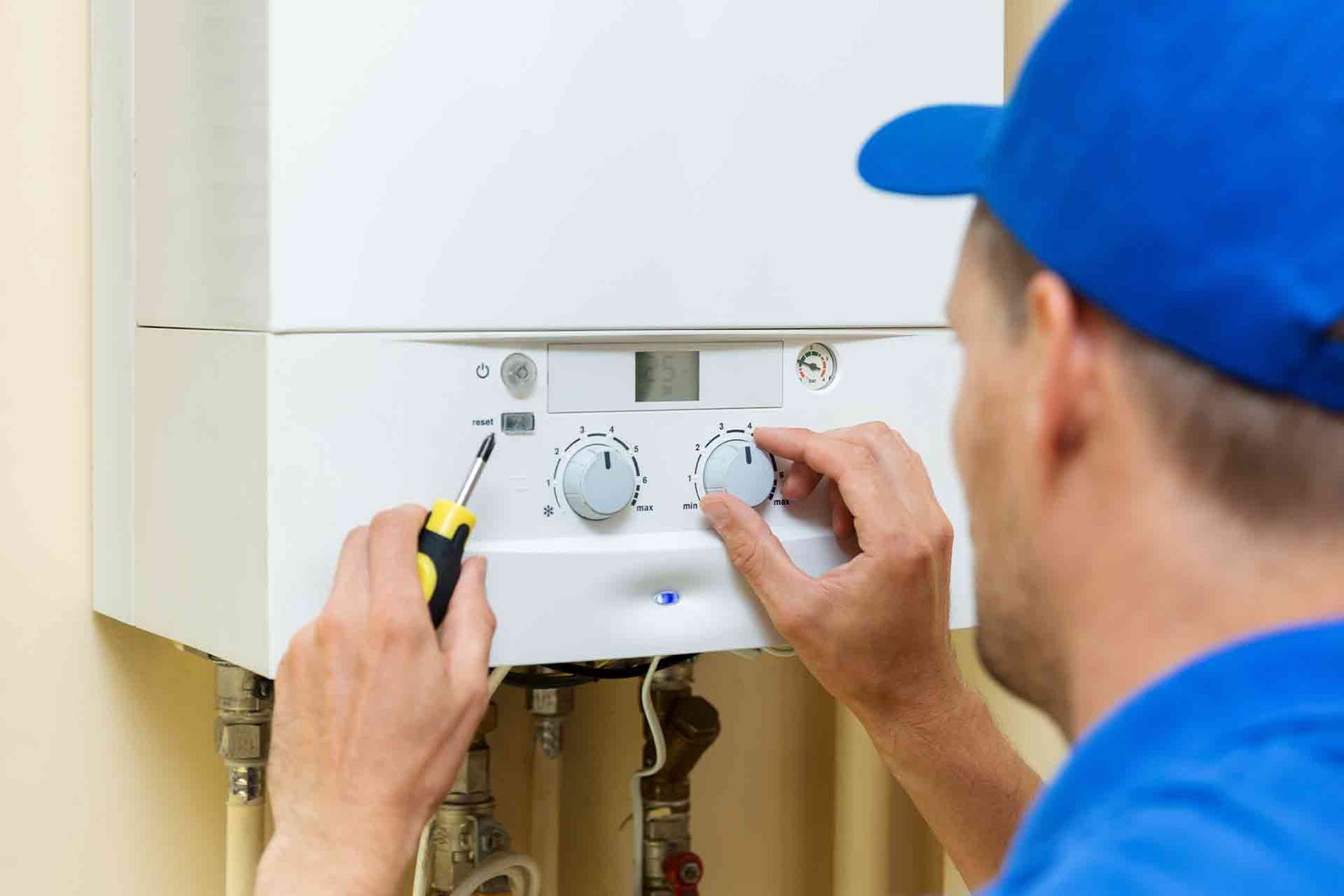
How much does a boiler upgrade cost?
Replacing a boiler isn't something most homeowners plan for until the old one starts breaking down or energy bills begin creeping up. By that point, one question usually comes first: how much is a boiler upgrade actually going to cost?
The honest answer is that there isn't a single price that applies to every home. A straightforward boiler swap in a modern property is very different from replacing an ageing heating system that needs new pipework, radiators, or controls.
The good news is that understanding what affects the cost makes it much easier to budget and avoid unexpected expenses. This guide explains where your money goes, what can increase the final bill, and whether government support could help reduce the upfront cost.
What Counts as a Boiler Upgrade?
A boiler upgrade is more than simply removing one appliance and fitting another.
In some homes, it's a like-for-like replacement with very little disruption. In others, the work may involve improving several parts of the heating system so everything operates safely and efficiently.
A typical upgrade can include:
- Removing the existing boiler
- Installing a new, energy-efficient model
- Replacing or upgrading heating controls
- Flushing the central heating system
- Fitting a magnetic filter
- Updating pipework where necessary
- Testing and commissioning the new system
The amount of work required has a direct impact on the final price.
Average Boiler Upgrade Costs in the UK
Although prices vary between regions and installers, these figures provide a useful guide.
| Upgrade Type | Typical Cost Range |
|---|---|
| Combi boiler replacement | £2,000–£3,500 |
| System boiler replacement | £2,200–£4,000 |
| Regular boiler replacement | £2,300–£4,200 |
| Boiler conversion (system changes) | £3,000–£5,500+ |
These estimates usually include the boiler, labour, and standard installation. If extra work is needed, costs may increase.
Rather than focusing on the lowest quotation, compare exactly what each installer includes.
Why Can Prices Vary So Much?
Two houses on the same street can receive very different quotations.
That's because every heating system has its own requirements.
Several factors influence the overall cost.
The Type of Boiler
Combi, system, and regular boilers all have different installation requirements.
Replacing one combi with another is generally quicker than converting from a conventional system with tanks and cylinders.
Boiler Size
Larger homes require boilers capable of supplying greater heating and hot water demand.
Higher-output models usually cost more than smaller units.
Installing an oversized boiler isn't always beneficial either. The correct size should match the property's heating needs rather than simply being the largest available.
Existing Heating System
Older heating systems sometimes require additional improvements before a new boiler can operate efficiently.
This might involve:
- Replacing worn valves
- Updating pipework
- Adding thermostatic radiator valves
- Installing a new flue
- Upgrading the condensate pipe
These improvements help protect the new boiler and improve long-term performance.
Labour Costs
Installation charges differ across the UK.
Local labour rates, property access, and the complexity of the work all affect the final quotation.
A straightforward installation completed in one day naturally costs less than a project requiring several days of work.
Can You Reduce the Cost of a Boiler Upgrade?
Possibly.
Some homeowners may qualify for government-backed funding depending on their circumstances.
For example, support may be available through energy-efficiency initiatives that help eligible households replace inefficient heating systems.
Eligibility depends on factors such as income, property type, and the specific funding programme.
Checking available support before arranging installation can sometimes reduce your upfront costs considerably.
Is It Worth Repairing an Old Boiler Instead?
Sometimes repairing an older boiler makes financial sense.
However, frequent breakdowns often indicate that major components are nearing the end of their service life.
You might want to consider replacement if:
- Repairs are becoming more frequent.
- Spare parts are difficult to obtain.
- Energy bills have increased noticeably.
- The boiler is over 12 to 15 years old.
- The system no longer heats the home consistently.
While repairs may appear cheaper initially, repeated call-out charges can soon exceed the cost of upgrading.
How Efficient Are Modern Boilers?
Modern condensing boilers are significantly more efficient than many older models still found in UK homes.
They recover heat that previous generations simply allowed to escape through the flue.
As a result, homeowners often notice:
- Lower gas consumption
- Better heating performance
- Faster hot water delivery
- More accurate temperature control
- Reduced household emissions
The exact savings vary between properties, but replacing an ageing boiler often improves overall system efficiency.
Should You Consider the Boiler Upgrade Scheme Instead?
Not every homeowner replacing a boiler wants another gas appliance.
Some people are exploring renewable heating instead.
The Boiler Upgrade Scheme provides government funding towards eligible low-carbon heating systems, including air source and ground source heat pumps. Rather than supporting traditional gas boiler replacements, the scheme encourages households to move towards renewable heating where suitable.
Whether this option makes sense depends on factors such as insulation, available space, and the design of your existing heating system.
Are There Extra Costs People Often Forget?
Yes, and overlooking them can lead to unexpected bills.
When requesting quotations, ask whether the following are included:
- Chemical system flush
- Magnetic filter
- Smart thermostat
- New flue components
- Waste removal
- Building regulations notification
- Warranty registration
Some installers include these as standard, while others charge separately.
Reading the quotation carefully makes comparisons much easier.
Could Switching to a Heat Pump Cost More?
It often does initially.
Replacing a boiler with a renewable heating system usually involves a larger investment because additional work may be required throughout the property.
For example, homeowners sometimes need:
- Larger radiators
- Improved insulation
- A hot water cylinder
- Pipework alterations
The upfront installation cost is typically higher than replacing a gas boiler. However, the Heat Pump Grant available through government-backed programmes can reduce a substantial portion of the installation cost for eligible properties.
Whether a heat pump offers better long-term value depends on your home's construction, heating demand, and future energy usage.
Questions Worth Asking Before Accepting a Quote
Before choosing an installer, don't focus solely on price.
A few sensible questions can prevent expensive surprises later.
Ask:
- Is the boiler correctly sized for my property?
- What warranty is included?
- Does the quotation include all labour and materials?
- Will the system be flushed before installation?
- Are new controls included?
- How long will the work take?
Clear answers often tell you more about an installer than the headline price alone.
Choosing Value Instead of the Cheapest Option
The lowest quotation isn't always the best deal.
A well-installed boiler should provide dependable heating for many years, so installation quality matters just as much as the appliance itself.
An experienced installer will assess your home's heating requirements, explain any additional work needed, and recommend equipment that matches your property's size rather than simply offering the cheapest model.
Spending slightly more on a properly designed installation can often reduce future maintenance costs and improve long-term efficiency.
Final Thoughts
The cost of a boiler upgrade depends on much more than the price of the boiler itself. Installation complexity, property size, heating system condition, and any additional improvements all influence the final bill.
Before making a decision, compare detailed quotations, ask what's included, and consider whether repairing your current system still makes financial sense. If you're interested in renewable heating, it's also worth exploring government support such as the Boiler Upgrade Scheme, while eligible households considering low-carbon systems may benefit from a Heat Pump Grant that helps reduce installation costs.
Taking the time to understand your options now can help you choose a heating system that delivers reliable performance, lower running costs, and better comfort for years to come.


0 Comments